The $1,700 Hidden Tax Every US Family Pays
We all know Tariff is driving up prices, but just exactly how much? We deep dive into the impact of Tariff on American household in 2025 and its wider impact on inflation.

Words by
Sean Yu
About that tax that never made it to the ballot...
President Trump has called "tariff" the most beautiful word in the English language. But for the average American household, that beautiful word now costs $1,700 a year — according to Yale's Budget Lab, which tracks the real-world impact of U.S. trade policy.

Let's break down what that number actually means.
Like we are preparing for another World War…
As of November 2025, the U.S. effective tariff rate sits at 16.8% — the highest since 1935. That's not a typo. We're talking pre-WWII levels of trade taxation.
Yale's researchers estimate this translates to a 1.2% increase in consumer prices across the board. Doesn't sound like much? For the average household, that's $1,700 gone. For lower-income families, it's about $900 — but that hits a lot harder when you're already stretching every dollar. (Notably, for lower-income families this equates to >2% of their earnings taken away by Tariff)
That's like 50 meals burnt away for each family each year, for nothing but a policy most didn't vote for….
Where It Hurts Most
Not everything got hit equally. Here's where the tariff pain concentrates:
Your shoes and clothes? Up over 20%. That leather handbag or new pair of sneakers just got a lot more expensive. Electronics and appliances? 17-18% higher. Your new laptop or washing machine is paying the tariff tax. Thinking about a new car? Add roughly $6,500 to that sticker price.
Meanwhile, food prices rose a relatively modest 1.2% — so your grocery bill is mostly spared, but your closet and garage are not.
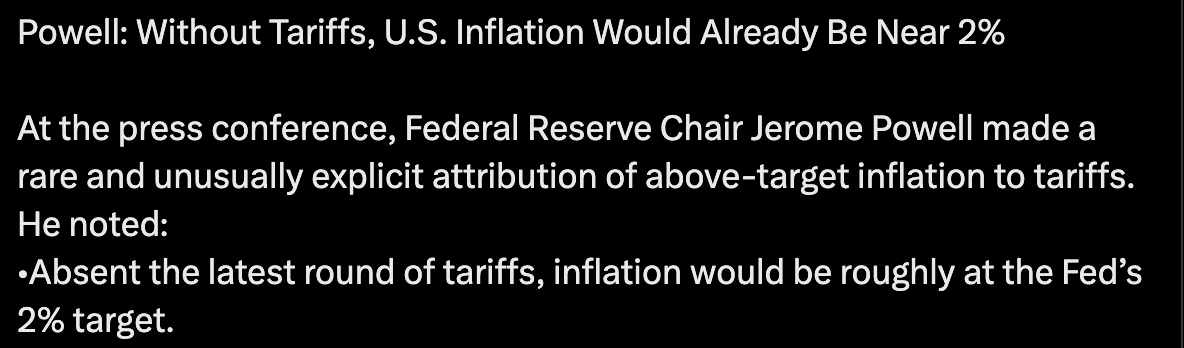
And it's not just consumers who are noticing this, Powell, the pressured FED chair also openly stated that Tariff is a key reason for high inflation we are feeling in the US.
What This Means for Businesses
If you're an importer, you already feel this in your landed costs. But what many might not anticipate is that the current tariff regime could persist as the world shifts towards further trade frictions, and with it, compressed margins and difficult pricing decisions.
The businesses that thrive won't be the ones who simply absorb or pass through these costs — they'll be the ones who actively manage their tariff exposure through smarter classification, sourcing strategies, active FTA/FTZ/First sales process and duty recovery programs like drawback.
Tariff are hidden taxes
Tariffs are taxes, come on, let's be honest about it. We are refrained from talking about this because they don't show up on your pay stub or VAT, but they show up everywhere else — in higher prices at the register, in squeezed business margins, in the less buying power we are feeling today.
The $1,700 per household isn't a political talking point. It's the math.
We want to change that at GingerControl, we help businesses turn tariff complexity into margin opportunity — through compliant duty mitigation, classification optimisation, and refund recovery. If you reckon you could have been overpaying tariff this year or in the future, let's talk!